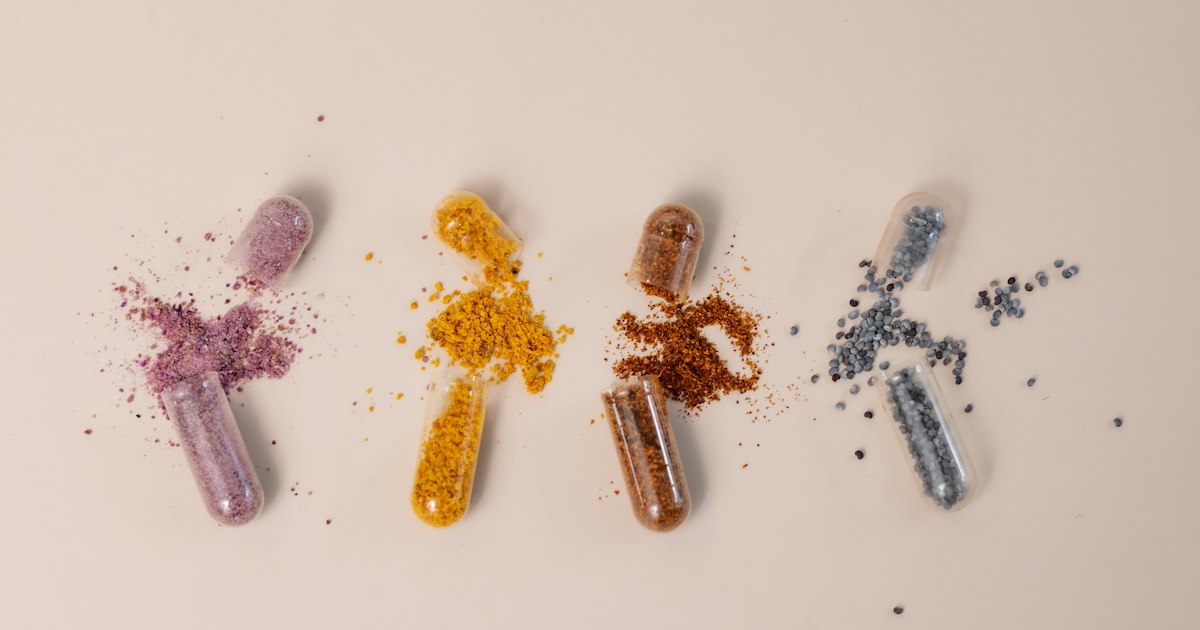
Raloxifene vs Clomiphene: What to Choose and for Whom

Raloxifene and clomiphene almost never compete for the same patient: they work at different stages of life and for different goals. But in the sports community they are often placed side by side. The editorial team analyzes for whom and in which situations doctors consider each of the drugs, and where other options are more appropriate.
Different patients — different drugs
The easiest way to understand the difference between raloxifene and clomiphene is to look at a person's age and reproductive status. Clomiphene works only when the hormonal axis is active and able to respond to a stimulus: in women of reproductive age and in men with preserved pituitary function. Raloxifene was created for women whose ovarian function has already faded.
Another difference is duration. Clomiphene in reproductive medicine is prescribed in short courses tied to the menstrual cycle, and the number of such cycles is limited. Raloxifene is taken daily for years, since protecting the bones and reducing the risk of breast cancer require prolonged action.
A third difference is the goal. For clomiphene the result is ovulation or a rise in testosterone, that is, a change in laboratory indicators over weeks. For raloxifene it is a reduction in the frequency of fractures and cancer cases, assessed over years.
Hence it is clear why a direct comparison of ‘which is better’ makes no sense: these drugs are not interchangeable, and the choice is determined not by the properties of the molecule but by the clinical situation.
Raloxifene: postmenopausal women
The main audience for raloxifene is postmenopausal women with osteoporosis or a high risk of developing it. The drug is considered especially appropriate for women who, besides the risk of vertebral fractures, have an increased risk of breast cancer: here raloxifene addresses both problems. In the MORE study it reduced the frequency of vertebral fractures (Ettinger et al., 1999).
At the same time, raloxifene is not first-line for all women with osteoporosis. It has not proven effective against hip fractures and other non-vertebral fractures, so for patients with a high risk of femoral neck fracture doctors more often prescribe bisphosphonates or other antiresorptive agents.
For reducing the risk of breast cancer, raloxifene is considered as an alternative to tamoxifen in postmenopausal women. In the STAR study (Vogel et al., 2006) it demonstrated comparable effectiveness against invasive cancer with a lower frequency of thromboembolism and endometrial cancer. For women with a preserved uterus this is a weighty argument.
Raloxifene is not suitable for women with a history of thrombosis, nor for those with a high risk of stroke: in the RUTH study the frequency of fatal strokes was higher under the drug (Barrett-Connor et al., 2006). It can also intensify hot flashes, so for women with pronounced vasomotor symptoms in early postmenopause it is prescribed cautiously.

Clomiphene: infertility and male hypogonadism
The classic patient for clomiphene is a woman of reproductive age with anovulation, most often against a background of polycystic ovary syndrome (PCOS). In a study by Legro et al. (2007) clomiphene provided a higher live-birth rate than metformin. However, a later study by the same group (Legro et al., 2014) showed that letrozole in PCOS yields a higher live-birth rate than clomiphene.
Therefore in current recommendations on PCOS letrozole is often considered a first-line drug for ovulation induction, while clomiphene remains an important alternative. The choice depends on body mass index, history, drug availability and the reproductive specialist's decision.
In men clomiphene is used off-label in functional secondary hypogonadism, especially when it is important to preserve spermatogenesis and avoid testosterone replacement therapy. A meta-analysis by Huijben et al. (2022) showed a rise in testosterone levels, but with limited data on symptoms and long-term safety.
Clomiphene will not help with primary ovarian insufficiency in women or primary hypogonadism in men, nor with hypothalamic amenorrhea with pronounced GnRH deficiency, where the response to an antiestrogen is weak.
| Patient | Raloxifene | Clomiphene |
|---|---|---|
| Postmenopausal woman with spinal osteoporosis | Considered | Not used |
| Woman with PCOS and anovulation | Not used | Considered (alongside letrozole) |
| Man with secondary hypogonadism | Data limited | Off-label, the most data among SERMs |
| Woman with a history of thrombosis | Contraindicated | Undesirable |
| Athlete | Banned by WADA (S4) | Banned by WADA (S4) |
Men and gynecomastia: where the niches overlap
The only area where raloxifene and clomiphene are sometimes mentioned in the same line is male endocrinology. Clomiphene raises testosterone through a central action, whereas raloxifene is more often considered as an agent that reduces the action of estrogen in breast tissue.
In recent gynecomastia doctors may consider a SERM off-label, and the most data here is for tamoxifen. For raloxifene there are smaller studies, mainly in adolescents with pubertal gynecomastia (Lawrence et al., 2004). Clomiphene is not used to treat gynecomastia, since a rise in testosterone is accompanied by a rise in estradiol as well.
It is important to remember that gynecomastia in an adult man is a reason for examination, not for self-medication. Its cause may be medications, liver or thyroid disease, or hormonally active tumors of the testicles or adrenal glands. A review by Braunstein (2007) describes this diagnostic algorithm in detail.
For men after using anabolic steroids, the topic of gynecomastia and axis recovery is especially relevant. However, the editorial team considers the unsupervised combination of raloxifene and clomiphene without monitoring of thromboembolic risk and the hormonal profile an unacceptable risk.
For whom neither is suitable
Both drugs are undesirable for people with a history of venous thrombosis, pulmonary embolism, retinal vein thrombosis, and for those who are immobilized for a long time, for example after operations. Doctors usually recommend stopping raloxifene before prolonged immobilization.
During pregnancy both drugs are contraindicated. Clomiphene is prescribed so that intake finishes before a possible conception in the current cycle, and before each new course pregnancy is excluded.
Severe liver disease, unexplained uterine bleeding, ovarian cysts (for clomiphene) and hormone-dependent tumors require a separate assessment by a doctor. For men — primary hypogonadism, in which clomiphene is ineffective.
- A history of thrombosis or a high tendency to thrombus formation.
- Pregnancy and breastfeeding.
- Severe liver disease.
- Professional athletes without a therapeutic use exemption.
Editorial conclusions
Raloxifene is a drug for postmenopausal women who need protection against vertebral fractures and a reduction in breast cancer risk without stimulating the endometrium. Clomiphene is an agent for the active reproductive axis: ovulation induction in women and, off-label, raising testosterone in men.
Their niches barely overlap, and in each of them there are alternatives: bisphosphonates for the bones, letrozole for ovulation, replacement therapy for primary hypogonadism.
Common to both remain the thromboembolic risk and the ban in sport, so a decision on either drug is made only after examination.
We also recommend reading our materials on the mechanistic differences between raloxifene and clomiphene, on the comparison of letrozole and exemestane, and on the causes of gynecomastia in men.
References
- Ettinger B, Black DM, Mitlak BH, et al. Reduction of vertebral fracture risk in postmenopausal women with osteoporosis treated with raloxifene: results from a 3-year randomized clinical trial. JAMA. 1999;282(7):637–645.
- Vogel VG, Costantino JP, Wickerham DL, et al. Effects of tamoxifen vs raloxifene on the risk of developing invasive breast cancer and other disease outcomes: the NSABP Study of Tamoxifen and Raloxifene (STAR) P-2 trial. JAMA. 2006;295(23):2727–2741.
- Barrett-Connor E, Mosca L, Collins P, et al. Effects of raloxifene on cardiovascular events and breast cancer in postmenopausal women. N Engl J Med. 2006;355(2):125–137.
- Legro RS, Barnhart HX, Schlaff WD, et al. Clomiphene, metformin, or both for infertility in the polycystic ovary syndrome. N Engl J Med. 2007;356(6):551–566.
- Legro RS, Brzyski RG, Diamond MP, et al. Letrozole versus clomiphene for infertility in the polycystic ovary syndrome. N Engl J Med. 2014;371(2):119–129.
- Huijben M, Lock MTWT, de Kemp VF, et al. Clomiphene citrate for men with hypogonadism: a systematic review and meta-analysis. Andrology. 2022;10(3):451–469.
- Lawrence SE, Faught KA, Vethamuthu J, Lawson ML. Beneficial effects of raloxifene and tamoxifen in the treatment of pubertal gynecomastia. J Pediatr. 2004;145(1):71–76.
- Braunstein GD. Gynecomastia. N Engl J Med. 2007;357(12):1229–1237.
Andriy Melnyk
A strength-sports coach and author of programs for beginner and intermediate levels. Writes about training planning.